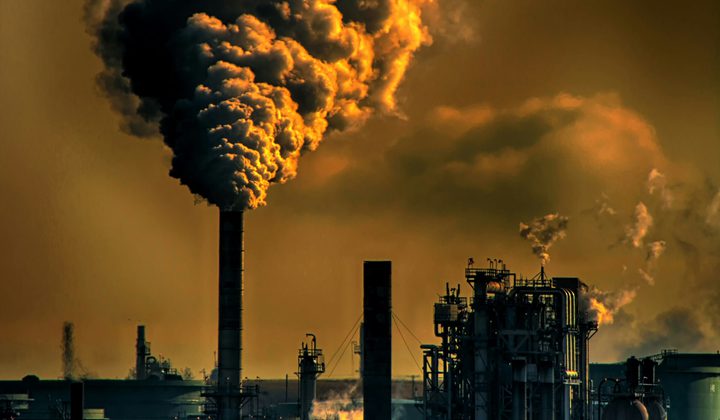
This roundtable brought together Geneva-based trade delegates and and a number of leading trade and climate experts on the trade dimensions of the transition away from fossil fuels.
Overview
Discussion focused on:
- linkages between a range of recent international legal and policy developments on the just transition away from fossil fuels and how they can reinforce one another to maximize impact;
- trade-related dimensions and opportunities, including implications for the ongoing work of the World Trade Organization’s Fossil Fuel Subsidy Reform initiative and the Santa Marta Conference;
- the relevance of the ICJ’s Advisory Opinion on Climate Change to the evolving international legal framework for climate action, including with respect to fossil fuel subsidy reform and development dimensions; and
- the impact of the global energy crisis on the transition away from fossil fuels and ongoing reform initiatives.
Agenda
Welcome and Introductions
Reflections on State of Play & Opportunities
- Harro van Asselt, Hatton Professor of Climate Law, University of Cambridge
- Elena Cima, Lecturer in International Energy Law, University of Geneva
- Ieva Baršauskaitė, Lead, Trade and Green Transition, International Institute for Sustainable Development
Open Discussion, initiated by Government Representatives Engaged in Relevant Initiatives
- James Andersen, Deputy Permanent Representative, Permanent Mission of New Zealand to the WTO
- Richardo Colmar, Deputy Permanent Representative, Permanent Mission of Vanuatu to the WTO
Closing
Background
Fossil fuel subsidies are a key driver of greenhouse gas emissions and continue to undermine efforts to transition away from fossil fuels and towards renewable energy. According to recent OECD and IEA estimates, annual global government support for fossil fuels stood at around USD 920 billion in 2024. Today’s unprecedented global energy crisis has prompted governments to adopt a variety of response measures, including subsidies, to ensure energy security.
In the international legal context, the International Court of Justice (ICJ)’s recent landmark advisory opinion on climate change clarified that States “may violate” their international law obligations by failing to take appropriate action to address fossil fuel–related activities, including fossil fuel production, exploration licences, consumption, and subsidies. In the trade context, WTO members participating in the Fossil Fuel Subsidy Reform (FFSR) initiative are seeking to achieve the rationalisation, phasing-out, or elimination of harmful fossil fuel subsidies. Alongside, some countries have developed disciplines on fossil fuel subsidies in bilateral or plurilateral agreements (e.g, the Agreement on Climate Change, Trade and Sustainability (ACCTS)). In the environmental context, several initiatives have been launched, including a range of relevant coalitions, such as the Coalition on Phasing Out Fossil Fuel Incentives. Most recently, at COP30 in November 2025, 24 countries signed the Belém Declaration on the Just Transition Away from Fossil Fuels, committing to work collectively towards a just, orderly, and equitable transition away from fossil fuels and to convene the first International Conference on the Just Transition Away from Fossil Fuels in Santa Marta, Colombia, in April 2026.